Your cart is currently empty!

In 2023, there were an estimated 45,785 stroke events in Australia—1 stroke every 11 minutes
Stroke can happen at any age, and 1 in 4 people globally will have a stroke in their lifetime.
Stroke is one of Australia’s biggest killers.
It kills more women than breast cancer and more men than prostate cancer.
However, many people either lack awareness about them or do not take them seriously.
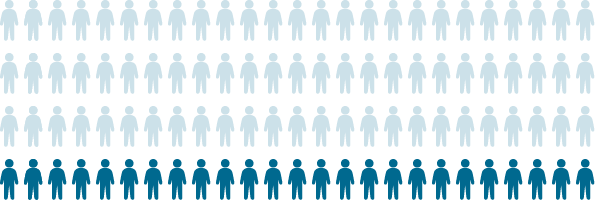
25 out of 100 people will suffer stroke during their lifetime

UP TO 80% of strokes are due to controllable risk factors and can be prevented!
A stroke is a critical medical emergency that occurs when blood flow to the brain is interrupted, resulting in the death of brain cells.
This disruption can be caused by a blockage in a blood vessel (ischemic stroke) or the rupture of a blood vessel (hemorrhagic stroke).
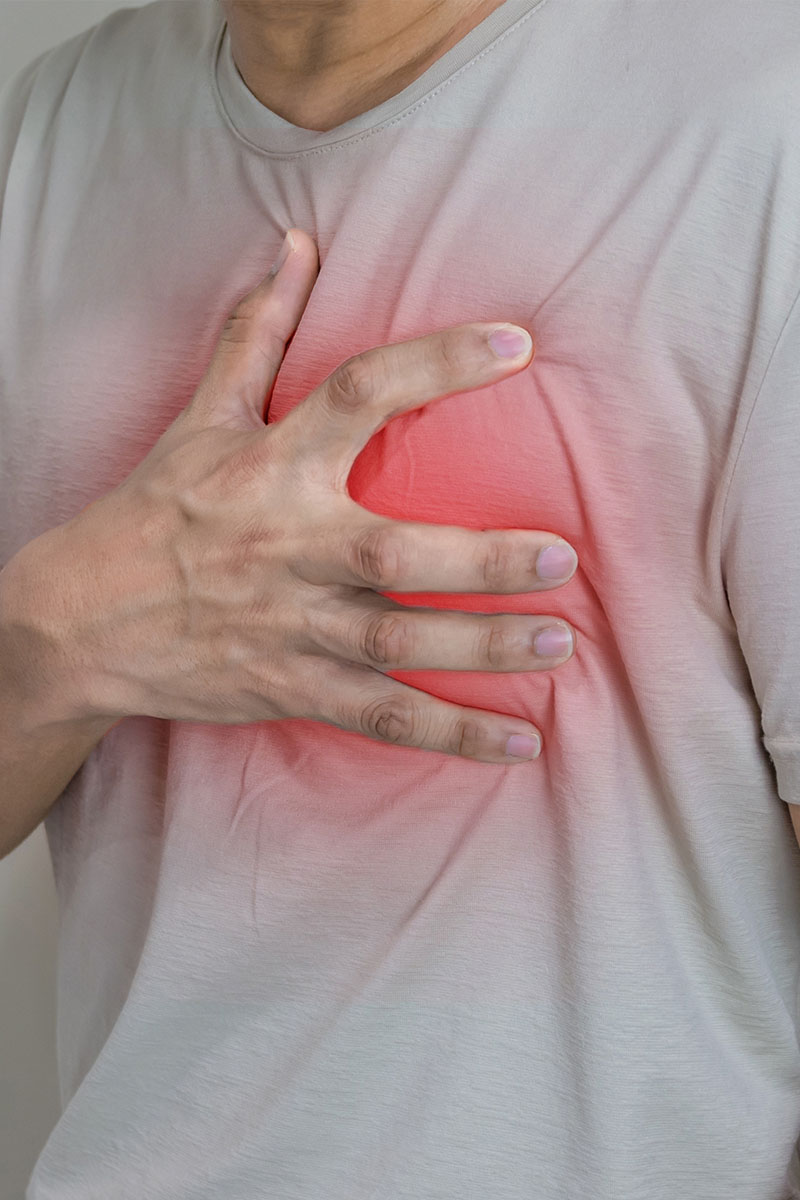
Strokes often present sudden and severe symptoms, including difficulty speaking or understanding language, paralysis or weakness on one side of the body, and loss of coordination.
People often do not approach a doctor after their symptoms because they can last less than 1 hour. It is crucial to investigate possible causes to avoid major strokes.


Remote Patient Monitoring (RPM) devices enable you to monitor and manage your health in real-time, empowering you to make informed decisions and necessary lifestyle changes and helping minimise your risk of having a stroke or heart attack. Here are some common types of devices:
Learn more about your risks and how to manage them. Take the test now.
A blockage in a blood vessel in the brain that cuts off blood supply.
Bleeding in or around the brain is usually caused by a weakened blood vessel that ruptures.
A temporary blockage of blood flow to the brain, also known as a mini-stroke.
The golden hour is the first hour after a stroke when patients have the best chance of surviving and avoiding long-term brain damage.
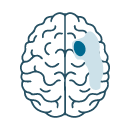
Some brain regions have already been irreversibly lost.
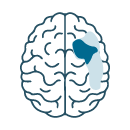
The more time elapses, the more brain tissue dies. Urgent treatment could still limit the disability.
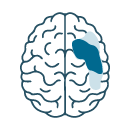
The window is closing. Treatment at this time may result in moderate disability.
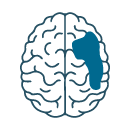
Without treatment, all at-risk brain tissue has died, which may lead to severe disability.